


Recovery for High School Athletes: How to Avoid Burnout This Fall
Updated: Oct 28, 2025
While the fall season for many high school athletes right now is in full throttle, they are still continuously grinding with balancing practices, late-night homework, games, their social life, and all things in between. As exciting as this season usually is, it also contains a legitimate threat that is often overlooked: burnout.
At The Athletic Academy, we’re all about helping athletes stay on the field, perform at their best, and prepare for the next level. That includes understanding the critical role that recovery plays in overall performance and long-term success.
What Is Burnout, and Why Does It Matter?
According to the APA Dictionary of Psychology, burnout is defined as “physical, emotional or mental exhaustion, accompanied by decreased motivation, lowered performance and negative attitudes towards oneself and others.” For high school athletes, this can look like decreased performance, loss of motivation or enjoyment, frequent injuries. mood changes or irritability, or trouble sleeping or concentrating.
Ignoring any of these signs can lead to long-term setbacks — not just for the current season, but also in the athlete’s future athletic career. Here’s how athletes, coaches, and parents can stay ahead of burnout this fall.
5 Keys to Effective Recovery and Burnout Prevention
1. Prioritize Sleep
Sleep is your body’s #1 recovery tool. According to the National Sleep Foundation and the Centers for Disease Control and Prevention, high schoolers should aim for 8–10 hours per night to support muscle repair, focus, and energy levels. Without enough rest, it is extremely difficult to perform at your full potential. Take a look at our previous blog that talks about the importance of sleep HERE. TIP: Try no screens an hour before sleep.
2. Fuel the Body
Nutrition and hydration are major factors in recovery. Make sure that you’re getting enough protein to rebuild muscles, complex carbs for energy, healthy fats to support joint and brain function, and plenty of water and electrolytes.
Foods and drinks like chocolate milk, greek yogurt, meat, eggs, fish, peanut butter, trail mix, and berries are the top examples of healthy snacks for post-activity. Another piece of nutrition advice you should consider is to prioritize protein. It is important at every meal, but intake is vital 30 minutes after exercise. Dr. Koutures, a pediatric sports medicine physician, stated an important rule that athletes should abide by: “Remember ‘30 for 30’ – 30 grams of protein 30 minutes after exercise.” TIP: Keep healthy snacks on hand at games and practices
3. Schedule Rest Days Intentionally
More is not always better. Overtraining can lead to injury and burnout. Think about taking one day per week and intentionally scheduling a full rest day. You can dive into active recovery like stretching, yoga, or light swimming. Even after intense games or tournaments, active recovery is a great way to wind down and to take care of your body. TIP (for teams): Build recovery days into your weekly calendar just like you would practices or film sessions.
4. Don’t Skip Mental Recovery
High school sports can be mentally draining — pressure from coaches, teammates, college recruiting, and school performance all add up. Teaching athletes and then athletes choosing to mentally reset is just as important as physical rest. Ways to rest include “listening to music, systematic breathing, mindfulness, power naps, and providing performance feedback during tasks… spending time or immersing oneself in restorative open spaces…and exposure to a warm environment have all been demonstrated to improve mental recovery and cognitive performance” (Russell, S. et al). There has also been advice given on what not to do when you are trying to enforce mental recovery: “Given the mental fatigue and subsequent performance impairments following use of social media, practitioners may advise athletes to avoid social media prior to training or competition. However, guidance on intentional use, or scheduling or utilising external media managers, may minimise this implication while reducing the risk of performance impairment” (Russell, S. et al).
Do not be afraid to speak up and talk to your coaches, family, friends, therapist, teammates, etc. about what you are feeling. Part of mental recovery is to express what you may be feeling and have others support you through this time. This can also encourage others to do the same. Your friends could support and join you in taking a break from social media, deep breathing exercises, mindfulness, yoga, meditation, or however you may choose to spend your time mentally recovering.
5. Communicate Early and Often
In a 2019 study, 35% of elite athletes had mental health concerns, with top issues reported being burnout, depression, and anxiety (McLean, et al.).
Athletes need to feel safe speaking up when they’re feeling off. Coaches and parents should keep open lines of communication and normalize recovery — it’s not a weakness, it’s part of being human.
Coaches, teammates, and family, should be on look out for signs of mental health issues in athletes: sudden changes in behavior, increased irritability, withdrawal from social activities, decreased motivation, changes in eating habits, changes in sleeping patterns, decline in athletic performance, negative self-talk, and difficulty concentrating ((McLean, et al.). Therapies like performance psychology and psychotherapy are common treatments for athletes. You are not weak if you need these; you are strong and brave for stepping up and speaking up.
Final Word: Recovery = Performance
At The Athletic Academy, our main goal is to help high school and club athletes to play at the college level and to have an easy and seamless recruiting process. For the athlete, recovery will be one of the biggest differences in how you perform. Fall is the time when college coaches are watching, highlight reels are being made, and seasons are won or lost — but none of that matters if you’re sidelined by fatigue or injury. Be safe and be smart! Take care of your body, protect your mental health, and don’t be afraid to rest. Recovery isn’t a break from the process — it is part of the process.
Want more performance and recruiting tips like this?
Follow The Athletic Academy on X (@ath_dynasty) and check out our full platform for athletes, teams, and coaches — including Player Cards, team platforms, and resources to get recruited.
Visit:
Sources
“Burnout: 5 Signs and What to Do about It.” Cleveland Clinic, Cleveland Clinic, 1 Feb. 2022, health.clevelandclinic.org/signs-of-burnout.
Hanigan, Andrea. “An Ultimate Guide to Child, Teen Athlete Fuel and Hydration - Choc - Children’s Health Hub.” CHOC, 7 Oct. 2024, health.choc.org/an-ultimate-guide-to-child-teen-athlete-fuel-and-hydration/.
“Strength Isn’t Just Physical: Exploring Athletes’ Mental Health.” Putting People First in Mental Health, www.mcleanhospital.org/essential/athlete-mh. Accessed 17 Oct. 2025.
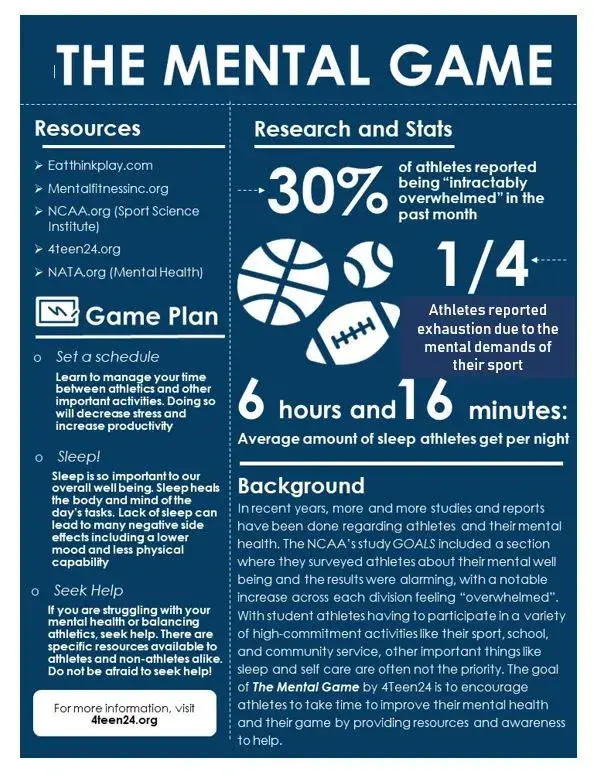
“The Mental Game: How Mental Illness Affects Athletes.” 4Teen24, The Mental Game, 4teen24.org/posts/f/the-mental-game-how-mental-illness-affects-athletes. Accessed 28 Oct. 2025.
“Understanding Mental Fatigue and Mental Recovery in Sport.” Sportsmith, 9 Nov. 2023, www.sportsmith.co/articles/understanding-mental-fatigue-and-mental-recovery-in-sport/.


Travel blogger. Shooting billboards and neon in Tokyo with my phone — everything came back rainbow-striped and I thought half the trip was trashed. Ran them through this phone moire remover in my hotel browser. No laptop needed, shots were usable again.
This was such an insightful read, and you've really hit on some key aspects of recovery that I hadn't fully considered before, especially regarding the "recovery high." While I agree with your points about it being a potential pitfall, I also feel like it can be a far more nuanced experience than people often give it credit for. For me, experiencing that initial surge of positivity after a significant challenge was almost intoxicating, and it took a conscious effort to recognize it wasn't a sustainable state https://bots.ondiscord.xyz/lists/3M5AgZJPj It's easy to mistake that elation for genuine, lasting progress. Your perspective on the importance of balanced recovery is spot on https://aana.com.au/self-regulation/codes-guidelines/wagering-code/ I've seen firsthand how pushing too hard, even with good intentions,…
This post really resonated with me, especially the part about framing recovery differently. I've been quietly applying some of these principles to my own busy schedule for months now, and the results have been genuinely worthwhile. It’s made a significant difference in how I approach my own downtime and avoid feeling completely depleted. I’m forwarding this to so many people who I know are struggling with similar pressures https://www.vgccc.vic.gov.au/ Hats off to you for keeping the content so honest and incredibly useful. It's refreshing to see this topic discussed with such clarity. I’m particularly interested in exploring the edge cases of this approach to recovery, those trickier situations where it might feel less straightforward to implement. Ultimately, the way recovery…
High school athletes face intense schedules during the fall season, making recovery essential to avoid burnout and maintain peak performance. Balancing practices, games, and academics can be overwhelming, but prioritizing rest and recovery is key. Proper hydration, nutrition, and sleep are the foundation for keeping energy levels high and reducing the risk of injury. Incorporating https://en.wikipedia.org/wiki/Game active recovery, like light stretching or yoga, can also help muscles recover faster while improving flexibility. Mental health is just as important—taking time to relax, unwind, and focus on self-care can make a big difference in managing stress. Remember, recovery isn’t just about physical rest; it’s about creating a sustainable routine that supports both body and mind throughout the season.
Recovery is essential for high school athletes to maintain peak performance and avoid burnout, especially during a busy season. Balancing intense training with proper rest, nutrition, and mental health care https://www.counsellingonline.org.au/ is key to staying strong and focused. Overtraining can lead to fatigue and injuries, so incorporating recovery days, stretching, and even mindfulness practices can make a big difference. Prioritizing recovery not only helps athletes perform better but also ensures they enjoy the sport without feeling overwhelmed or exhausted.